
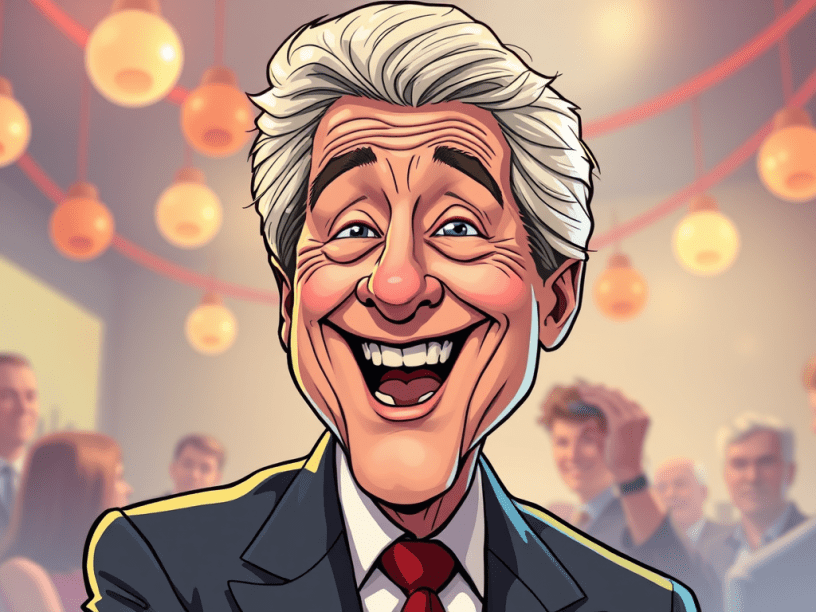
Part 9: The Late 20th Century: Stagflation, Star Wars, and Slick Willy (1970s–1990s)
The 1970s stumble in seeing the wild dreams of the ’60s replaced by headaches, regrets, and a sneaking suspicion that the American Dream was just a slick sales pitch. The population hits 203 million, most of them nursing bruises from Vietnam and realizing the good times were a con. The postwar boom sputters; civil rights strides wobble under backlash; the Cold War hums on, now more annoying than terrifying. Cities crumble, factories rust, and the once-fat middle class suddenly realizes the party’s checks are bouncing.
First up on America’s disaster docket: Vietnam. By 1970, it’s a full-blown catastrophe, a quagmire that’s left 58,000 American soldiers dead by ’73, thousands more scarred, and a nation divided between draft-dodging rich kids and drafted working-class casualties. Protest hits fever pitch at Kent State in 1970, where the National Guard shoots four students dead—America responding to dissent with live ammo. Nixon, elected to bring “peace with honor,” mostly just brings dishonor without the peace. Troops pull out by ‘73, but when Saigon falls spectacularly in ’75, America watches helicopters flee embassy rooftops—$150 billion spent for nothing but PTSD and betrayal. Soldiers return to indifferent silence or outright scorn, the GI Bill frayed thin, and trust in government cratered.
Watergate puts a bow on the decade’s governmental dumpster fire. Nixon’s goons burglarize Democratic HQ, and by ’74, Tricky Dick becomes the first president to quit, waving goodbye from Marine One while citizens recalibrate their trust levels somewhere between “used-car salesman” and “circus clown.”
Economically, the hits keep coming. The 1973 oil embargo sends gas prices soaring, turning gas stations into Soviet-style bread lines and pushing inflation past 12%. Jobs evaporate, prices climb—”stagflation” becomes the groaning word of the era. Enter Jimmy Carter in ’77, the earnest peanut farmer with sweater-clad sermons about sacrifice, presiding helplessly over an economy spiraling downward. The 1979 Iran hostage crisis holds 52 Americans captive for 444 humiliating days, cementing Carter’s image as America’s punching bag.
Reagan gallops in, 1981, playing the cowboy savior with Hollywood charm and magical thinking—slashing taxes for millionaires and spending billions on a “Star Wars” missile shield that never gets off the drawing board. The Soviets sweat over Reagan’s bluff, choking on Afghanistan and cheap vodka, while Wall Street pops champagne corks. The ’80s boom is all champagne flutes and BMWs for yuppies, while blue-collar America gets rusted out and hollowed by global trade. By ’89, the top 1% hoard 40% of America’s wealth—Gilded Age the sequel, now featuring shoulder pads and synthesizers.
Reagan’s crowning glory comes abroad, as the Soviet Union coughs, sputters, and finally collapses in 1991. The Berlin Wall tumbles in ’89—a perfect made-for-TV symbol of victory—and Bush Sr. oversees America’s brief Gulf War swagger in ’91, stomping Saddam Hussein out of Kuwait in six televised weeks. Only 148 Americans die, and the nation struts home to ticker-tape parades, conveniently ignoring the decade’s $3 trillion debt hangover and an economy already slipping into recession.
Socially, it’s a confusing mess. Women’s liberation scores Roe v. Wade in ’73, legalizing abortion, but conservatives fire back hard. Reagan’s Moral Majority prays fervently for a 1950s rewind button. AIDS arrives in the ‘80s, killing tens of thousands while Reagan shrugs and the government yawns. Civil rights stagnate—busing implodes, affirmative action becomes a punching bag, and the Rodney King riots torch L.A. in ’92, leaving 54 dead and the nation as racially fractured as ever. Clinton’s 1994 “tough on crime” bill packs prisons disproportionately with Black inmates, while his welfare “reform” kicks the poorest Americans to the curb.
By the ‘90s, America’s shiny new boom feels awfully selective. NAFTA opens trade doors, Silicon Valley churns out instant millionaires, but Rust Belt towns collapse into ghost stories, and wages stay frozen for the working class. CEOs rake in millions while median income barely moves, the economic miracle more marketing pitch than reality for millions of struggling Americans.
This late-century stretch is a cynical slog from Vietnam’s disgrace to Soviet collapse, punctuated by economic booms that skip over entire classes. Reagan’s grin and Clinton’s saxophone charm mask deep wounds—ignored vets, gutted factories, racial divides—and a nation increasingly divided between champagne toasts and eviction notices. This was America’s cynical victory lap, swaggering through triumph abroad and neglect at home, winning the Cold War but losing its soul along the way.
 The American Beast